





















Acne Is More Than Just Oily Skin
The skin is far more than a surface layer — it is a living, responsive organ, constantly adapting to what is happening both within the body and in our external environment.


Your Skin Is Part of a Bigger System
The skin supports overall balance by helping maintain a healthy microbiome, being active in homeostasis and by forming a strong barrier. It works as the first line of defence of the immune system.
Since the skin and the immune system are linked, when things go wrong and we are off balance with our diet, our lifestyle or our hormones, we often see it first in the condition of our skin.
The Link Between Acne and Skin Sensitivity
Similarly, if we disrupt our skin barrier by using the wrong products to cleanse and treat in our routine, we can absolutely expect to see sensitivity, reactivity and breakouts.
This is one reason many dermatologists now view acne as a form of skin sensitivity as much as a problem of excess oil. The temptation is then to punish the skin for misbehaving with more vigorous cleansing, harsher exfoliation or strong active ingredients; however, this approach can make matters worse.


Why Acne-Prone Skin Can Be Dehydrated Beneath the Surface
When the skin barrier is compromised, it hits the panic button and attempts to reseal the stripped skin barrier by producing more sebum. Sebum acts like a seal to help prevent TEWL, also known as transepidermal water loss.
This is a desperate bid to get back into balance. The rebound effect can result in excess sebum, which can then oxidise and congest the pores, resulting in spots.
In many cases, improving hydration and supporting the skin barrier can lead to fewer breakouts than simply increasing the strength of your acne treatments.
Barrier-supporting habits to start with
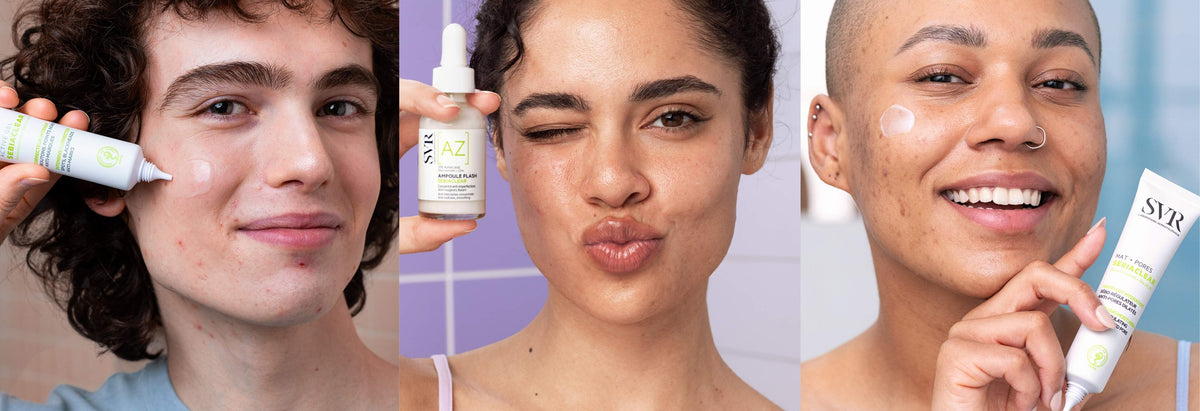
We recommend SVR Ampoule [B3] Hydra, [B3] Essence Hydra and SEBIACLEAR Hydra Moisturiser to kickstart the skin-barrier restoration process and form great habits.
Why Gentle Cleansing Can Improve Acne
The way you cleanse your skin matters.
Choosing gentle, hydrating cleansers instead of harsh, stripping formulas can help preserve the skin barrier and reduce the cycle of dehydration and excess oil production. Supporting your skin with barrier-friendly moisturisers and soothing ingredients may also help improve long-term skin clarity.
Sometimes, healthier skin starts not with doing more, but with being gentler.
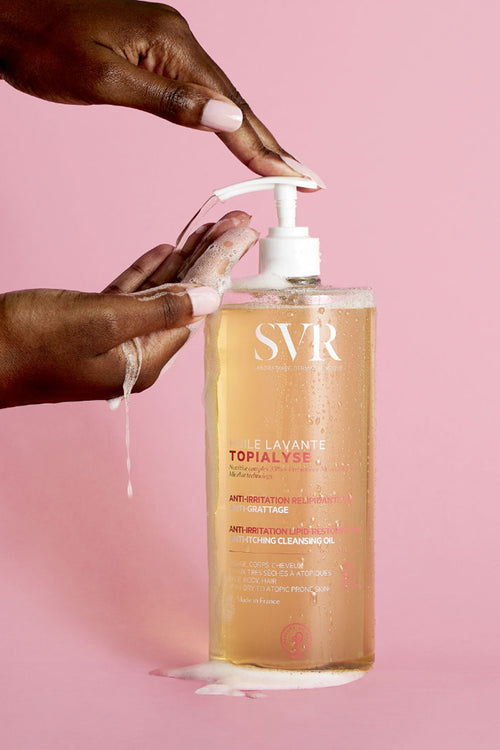
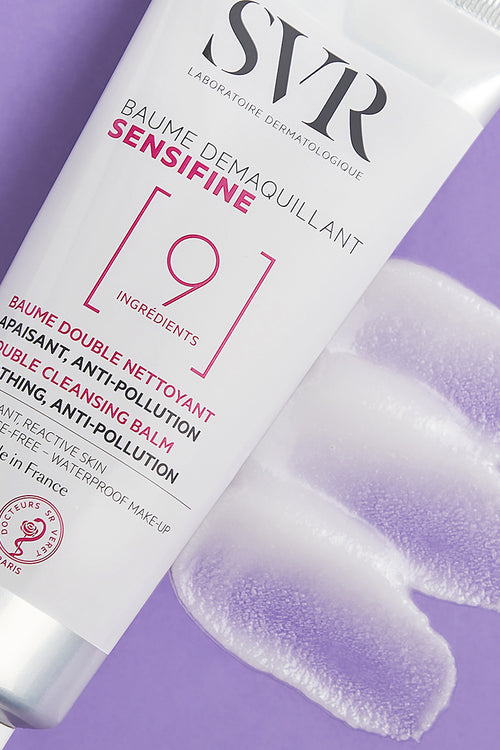
Perhaps opt for richer, more hydrating, less-stripping cleansers such as balms or cream-based washes, or neutral, non-stripping micellar waters.


Moisturise, Moisturise, Moisturise
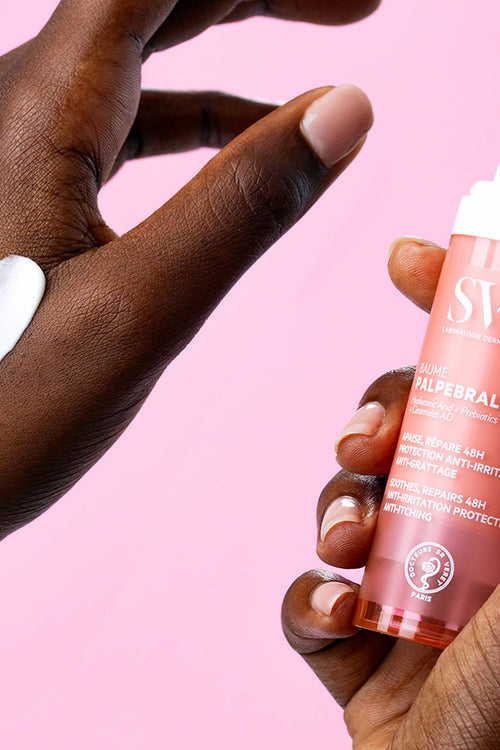
Step up your moisturiser game — more of it, and perhaps go up a level in richness and comfort. We have been led to fear oil and rich moisturisers, but you may be surprised how well oily and acne-prone skin responds to deep hydration.
One unique aspect of SVR is that we offer different grades of hydration and moisturisation according to your needs, from completely oil-free all the way through to very emollient.
Many acne-prone skin types would be surprised how well their skin can tolerate deep moisturisation. Most of our ranges have lighter, medium or richer versions of the same product, allowing your skin to move smoothly through the seasons without having to find a whole new product.
Don’t Forget What Happens After the Spot Has Gone
For many people, the breakout itself is only part of the challenge.
Once a spot heals, it can leave behind redness, pigmentation, or even scarring that lingers for weeks or months. These post-blemish marks can often be more frustrating than the original breakout.
This is where ingredients such as azelaic acid can be particularly helpful. Azelaic acid is a true multi-tasker, helping to reduce blemishes while also improving the appearance of post-inflammatory redness, hyperpigmentation, and uneven skin tone.
It also has anti-inflammatory and antimicrobial properties, making it beneficial for both acne-prone skin and papulopustular rosacea, a condition that is frequently mistaken for acne due to its similar appearance.
Because inflammation can trigger excess melanin production, dark marks often develop after a breakout heals. Azelaic acid helps regulate this process by inhibiting tyrosinase, an enzyme involved in pigment production, helping to reduce the formation of stubborn post-acne marks while supporting clearer, calmer skin overall.
Clearer skin is not achieved by attacking it
Supporting the skin barrier, maintaining hydration, and choosing ingredients that calm inflammation can often be the most effective route to clearer skin.

Here Are Some Acne Myths and Facts

Don’t Forget Your SPF
We do a variety of comfort-level and skin-type specific daily SPFs, from oily and acne-prone skin to pigmentation, damaged skin, scarring and multiple Sun Secure formats.